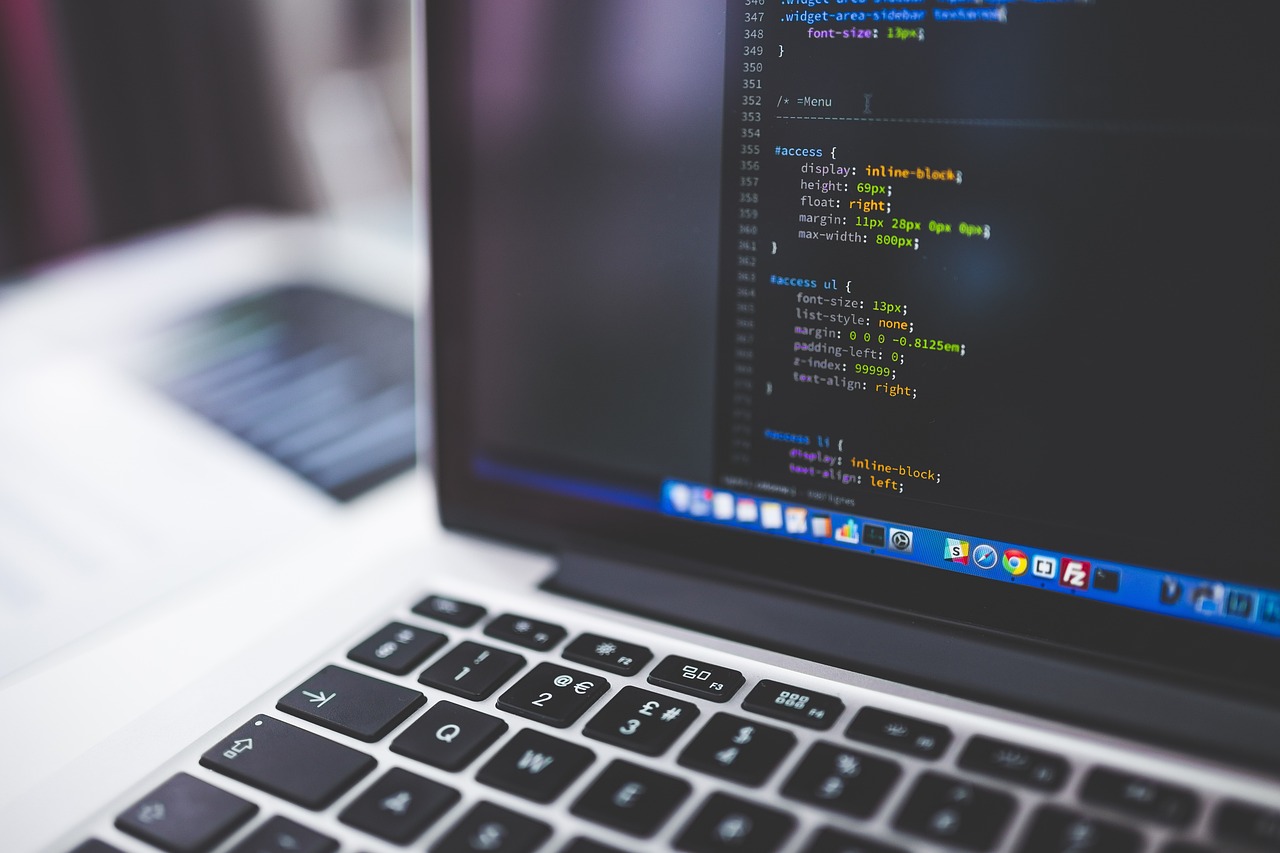
Data today flows like an endless digital river. Every click, purchase, review, and search leaves a tiny footprint. Businesses that learn how to read those footprints gain clarity, direction, and competitive advantage. This is where Python enters the scene, not as a simple programming language, but as a versatile toolbox for data analysis. When combined with web scraping, Python becomes a full-scale data discovery engine capable of collecting, cleaning, analyzing, and visualizing information from across the internet.
Let’s explore how Python powers modern data analysis and how scraping acts as the fuel that keeps the analytical engine running.
Why Python Is So Popular for Data Analysis
Python has become the unofficial language of data science for several reasons:
1. Simplicity
Python’s syntax is readable and beginner-friendly. You do not need years of coding experience to start analyzing datasets.
2. Massive Ecosystem of Libraries
Python offers powerful libraries that handle almost every aspect of data work:
- Pandas for data manipulation
- NumPy for numerical operations
- Matplotlib and Seaborn for visualization
- Scikit-learn for machine learning
- Statsmodels for statistical analysis
These libraries act like modular building blocks. Instead of writing everything from scratch, you assemble tools like pieces of a digital construction set.
3. Community Support
Millions of developers use Python, meaning tutorials, forums, and solutions are everywhere. Problems rarely stay unsolved for long.
The Role of Data Analysis
Data analysis is the process of transforming raw information into meaningful insights. It typically involves:
- Collecting data
- Cleaning and organizing
- Exploring patterns
- Visualizing results
- Drawing conclusions
Without proper analysis, data is just noise. With analysis, it becomes direction, prediction, and strategy.
Where Web Scraping Fits In
Before you can analyze data, you need to obtain it. Many valuable datasets are not readily available as downloadable files. Instead, they live on websites, dashboards, or public directories. This is where scraping enters the picture.
A scraper is a tool or script that extracts information from web pages automatically. Instead of copying information manually, scraping allows you to gather hundreds or thousands of records quickly.
For example, you might scrape:
- Product prices from e-commerce sites
- Reviews from service platforms
- Job listings from career portals
- Business contacts from directories
- Social media metrics
Once collected, this scraped data becomes the raw material for Python-based analysis.
Python + Scraping: A Powerful Combination
Python shines not only in analysis but also in data collection. Several libraries make scraping efficient:
- BeautifulSoup for parsing HTML
- Requests for sending web requests
- Selenium for dynamic websites
- Scrapy for large-scale scraping projects
Imagine Python as both the fisherman and the chef. It catches the fish through scraping and then cooks it into insights through analysis.
Practical Example: Market Research
Suppose you want to analyze trends in online electronics prices.
Step 1: Scraping
A Python scraper collects product names, prices, and ratings from multiple websites.
Step 2: Cleaning
Using Pandas, you remove duplicates, handle missing values, and standardize formats.
Step 3: Analysis
You calculate average prices, detect seasonal trends, and identify top-rated brands.
Step 4: Visualization
Charts and graphs reveal patterns that spreadsheets alone cannot show.
This workflow turns scattered web information into a structured business intelligence report.
Benefits of Using Python for Scraping and Analysis
Speed
Automated scraping gathers data far faster than manual methods.
Scalability
Python scripts can process thousands of entries effortlessly.
Accuracy
Automation reduces human error in data collection.
Flexibility
You can customize scripts to target specific fields or formats.
Integration
Python connects easily with databases, APIs, and visualization tools.
Ethical and Legal Considerations
While scraping is powerful, it must be used responsibly. Always:
- Respect website terms of service
- Avoid collecting personal or sensitive data
- Follow regional data protection laws
- Limit request frequency to avoid server overload
Responsible scraping ensures sustainability and trust.
Advanced Possibilities
When Python analysis and scraping mature together, new opportunities appear:
- Predictive analytics using machine learning
- Sentiment analysis on reviews and comments
- Competitor monitoring with scheduled scrapers
- Real-time dashboards powered by live web data
- AI training datasets collected from public sources
At this stage, scraping is no longer just data collection. It becomes a continuous information pipeline feeding analytical systems.
Finally
Python and web scraping together form a dynamic duo in the world of data analysis. Scraping gathers the raw digital clay, while Python shapes it into meaningful structures. Businesses, researchers, and developers who master both skills gain the ability to see patterns others miss and make decisions grounded in evidence rather than guesswork.
In a world overflowing with information, the true advantage does not belong to those who have the most data, but to those who know how to collect the right data and transform it into insight. Python provides the compass, scraping provides the map, and analysis reveals the destination.